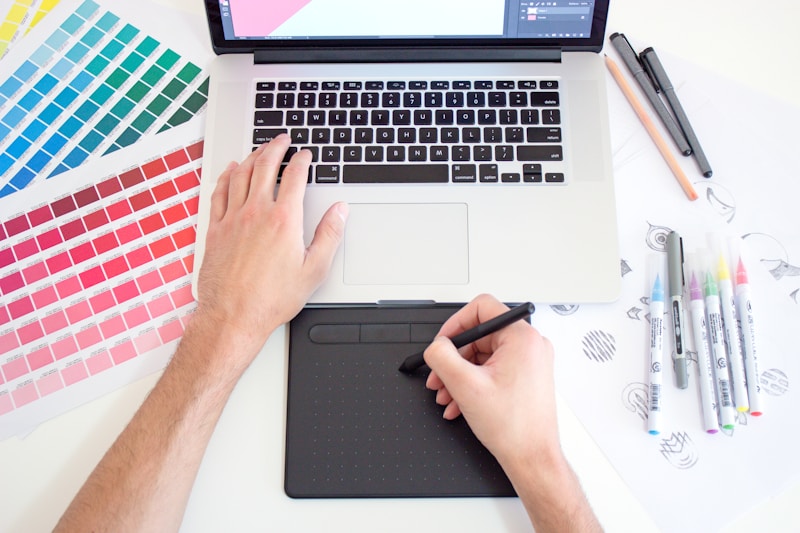
Prototyping in Figma
Comprehensive guide to prototyping in figma with practical examples and exercises.
Before you begin
- Basic computer skills
- Figma installed
The walkthrough
Step by step.
Step 1 of 4
Getting Started with Prototyping in Figma
Begin your journey learning Prototyping in Figma. We'll cover the essential interface elements, workspace customization, and fundamental concepts you need to know. Understanding these basics will set a strong foundation for everything else you'll learn.
- Explore the interface before diving into complex features
- Customize toolbars and panels for your workflow
- Learn keyboard shortcuts early - they save hours
- Don't skip the basics - they're crucial for advanced work
Step 2 of 4
Core Tools and Features
Master the essential tools and features of Figma specifically for Prototyping in Figma. Learn the most commonly used functions, understand how they work together, and practice with hands-on examples.
Common Figma Shortcuts:
Ctrl/Cmd + S = Save
Ctrl/Cmd + Z = Undo
Ctrl/Cmd + C/V = Copy/Paste
Ctrl/Cmd + N = New Document- Focus on tools you'll use 80% of the time first
- Practice each tool with simple exercises
- Save your work frequently with version numbers
Step 3 of 4
Practical Projects and Exercises
Apply what you've learned through carefully designed projects. Work on real-world examples that demonstrate Prototyping in Figma in action. Build confidence and muscle memory through repetition and variation.
- Start with simple projects and gradually increase complexity
- Don't rush - quality over speed
- Keep all your practice files for reference
Step 4 of 4
Advanced Techniques and Workflows
Take your skills to the professional level with advanced techniques for Prototyping in Figma. Learn efficient workflows, time-saving tricks, and industry best practices used by professionals.
- Study work from professionals in your field
- Join online communities for tips and feedback
- Develop your own efficient workflow
- Keep learning - software constantly evolves
- Advanced features can be complex - master basics first
Keep in mind
A few notes before you go.
- Practice regularly to improve your skills
- Explore online tutorials and communities
- Don't be afraid to experiment with different techniques
Guide complete